Types of Commercial Electronic Locks
Below are the most widely used commercial electronic locks and components, from a single office door to a full building system.
1. Standalone Keypad Locks
-
Install like standard cylindrical or mortise locks
-
Store codes directly on the device (no wiring needed)
-
Great for offices, IT closets, tenant suites
-
Support PIN codes, schedules, and audit trails
- Popular choices include Schlage commercial electronic door locks and other ANSI/BHMA-certified hardware.
- ✅ Best for: quick retrofits where you want electronic control without a full system.
2. Networked / Wired Access Control Locks
-
Connect to your access control platform
-
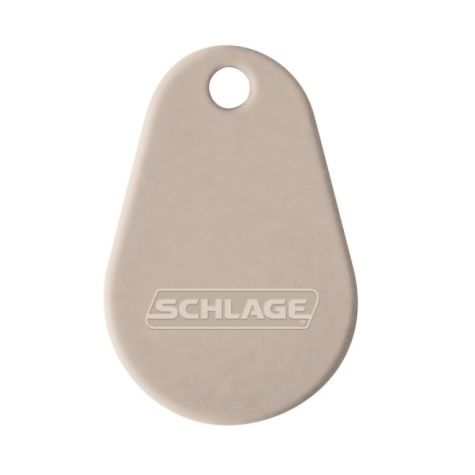
Support cards, mobile credentials, or PINs
-
Real-time monitoring, schedules, and reporting
-
Ideal for labs, staff-only zones, and main entries
-
✅ Best for: facilities needing centralized credentialing and auditability.
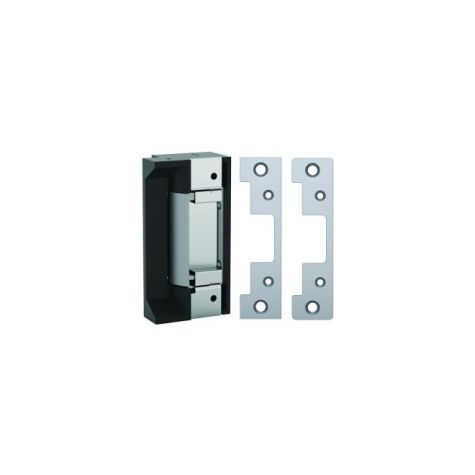
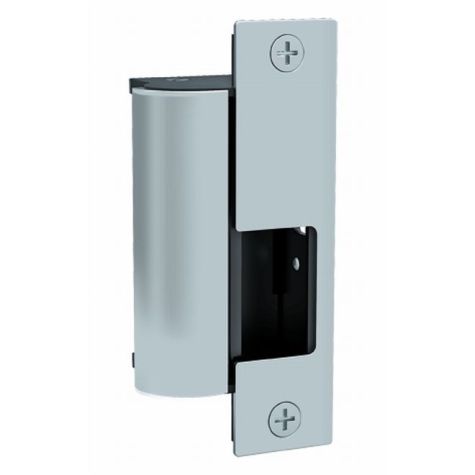
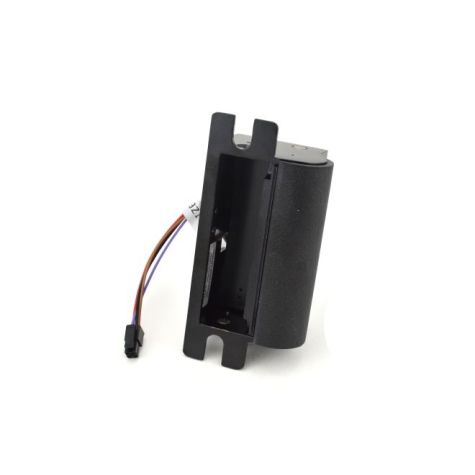
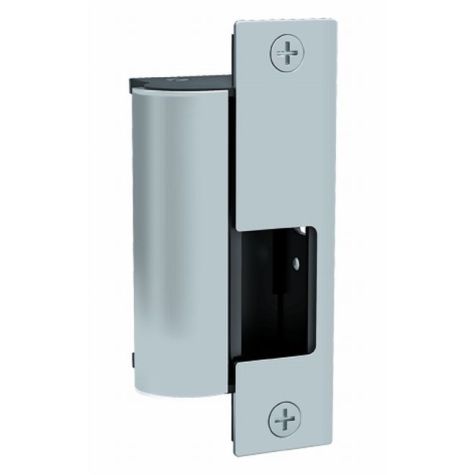
3. Electric Strikes & Storefront Accessories
-
Convert mechanical locks into electronically released locks
-
Compatible with aluminum & hollow-metal frames
-
Work with lever sets, cylinders, and readers
-
Easy to service and flexible for storefront upgrades
-
✅ Best for: metal doors and glass/aluminum storefronts.
4. Power Supplies & Power Transfer Hardware
-
Provide clean, reliable power for locks and strikes
-
Include battery backup and concealed hinges/cords
-
Ensure uptime for multi-door setups
-
✅ Best for: ensuring your access control system stays online.
How Do You Choose the Right Commercial Electronic Door Lock?
Selecting the best commercial electronic door lock hardware is about matching security goals to door conditions and code. Use these checkpoints to spec the right solution the first time.
|
Consideration
|
What It Means
|
Your Action
|
|
Fail-Safe vs Fail-Secure
|
Fail-safe unlocks when power is lost (egress). Fail-secure stays locked until power returns (perimeter).
|
Choose based on life-safety & security codes.
|
|
Door & Frame Type
|
Metal/aluminum frames often need strikes. Wood/hollow-metal can take cylindrical/mortise locks.
|
Verify cutouts, backsets, reinforcements before ordering.
|
|
Credential Method
|
PINs = simple; cards/mobile = scalable; biometrics = advanced.
|
Pick the method that fits your staff culture & turnover.
|
|
Standalone vs Integrated
|
Standalone = single doors. Integrated = multi-door, cross-site management.
|
Decide based on future scalability.
|
|
Compliance
|
ANSI/BHMA grade, UL 294, ADA, fire-rated coordination.
|
Always confirm local code + hardware compatibility.
|
|
Retrofit vs New Build
|
Retrofits = keypad/strikes. New builds = plan wiring & controllers.
|
Future-proof new construction with pre-wired power + readers.
|
Where Are Electronic Locks and Access Hardware Used Most Often?
Electronic access shows up anywhere you need controlled entry, clear audit trails, and simple user management.
Offices and Business Parks:
Suite entries, server rooms, and shared amenities rely on electronic door locks to manage staff and vendor access. Standalones keep interiors simple; networked locks at main entries bring schedules and centralized control together.
Retail and Storefronts:
For aluminum and glass doors, electric strikes paired with readers create electronic door locks for metal doors that integrate seamlessly with existing storefront hardware. These setups give staff and delivery crews secure PIN or card access, while providing audit trails for accountability.
Healthcare and Education
From medication rooms to labs and administrative suites, commercial electronic security door locks help enforce permissions while keeping the daily flow smooth. Scheduling (e.g., school hours vs events) is a major advantage of networked systems.
Multifamily and Hospitality
Amenity spaces and back-of-house areas use electronic locks to separate public and private zones. Properties often deploy standalones inside units and networked access on the perimeter and shared entries for unified control.
Why Choose DoorsForPros for Commercial Electronic Locks?
Electronic access is a system, not a single SKU. DoorsForPros stocks the parts and the know-how to make them work together.
Complete Ecosystem, One Source: From commercial electronic keypad locks and networked devices to strikes, readers, electronic access control door hardware, power supplies, and transfer solutions, we carry the pieces you need to build reliable openings that pass inspection and perform daily.
Right Hardware for Your Door: Different frames demand different approaches. We’ll help you decide when a cylindrical electronic set makes sense, when an electric strike is cleaner, and how to coordinate credentials across mixed hardware, all while keeping aesthetics consistent.
Project-Friendly Pricing and Support: Rolling out across multiple doors or multiple sites? We streamline quoting, recommend standard device families, and ship on timelines that meet construction and facilities schedules for commercial electronic door locks.
Integration Guidance: Need these devices to talk to your existing platform? We’ll help you select electronic access locks and supporting gear that align with your controller ecosystem, credential type, and reporting needs, so you get the benefits of a true commercial electronic door lock system.
Ready to plan your openings? Share door type, frame material, traffic level, and credential preferences. We’ll recommend a short list, standalone, networked, or strike-based, so you can order with confidence.
Commercial Electronic Door Locks FAQs
What is a commercial electronic door lock system?
It’s a coordinated setup of commercial electronic door locks (standalone or networked), readers/keypads, controllers, software, and electronic access control door hardware like power supplies and strikes. Systems manage credentials, schedules, and audit logs across one or many doors.
Are electronic locks fail-safe or fail-secure?
Both exist. “Fail-safe” unlocks when power is lost (common where egress must remain free), while “fail-secure” stays locked without power (common for perimeter security). Choose the mode that fits life-safety and security requirements for your opening.
Which electronic door locks work best for metal doors?
For aluminum/metal storefronts, electric strikes paired with readers/keypads are common. Hollow-metal doors can take cylindrical or mortise commercial electronic lock sets directly. The right choice depends on frame prep, exit hardware, and power availability.
Can electronic locks be retrofitted to existing commercial doors?
Yes. Standalone commercial electronic keypad locks and electric strikes are popular retrofit paths because they minimize wiring and door/frame modification. For broader control, plan wiring and power for networked devices where feasible.
What’s the difference between electronic access locks and keypad locks?
Keypad locks are typically standalone, storing codes locally. Electronic access locks tie into a system with cards/mobile credentials, global schedules, and centralized reporting, useful for multi-door or multi-site management.
Are the best electronic door locks for homes suitable for businesses?
Not usually. The best electronic door locks for homes are designed for low traffic and basic features. Commercial sites need higher duty ratings, integration, and compliance. Choose electronic locks for commercial doors built for daily use and auditability.
How do electronic locks interact with exit devices?
Exit doors must always allow free egress. Electronic trim and strikes can be used with panic hardware, but must be specified for code, handing, and device type. Confirm compatibility when tying electric door lock commercial solutions to rim or vertical-rod exit devices.