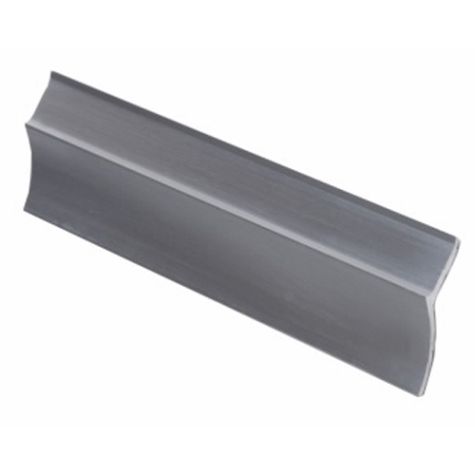
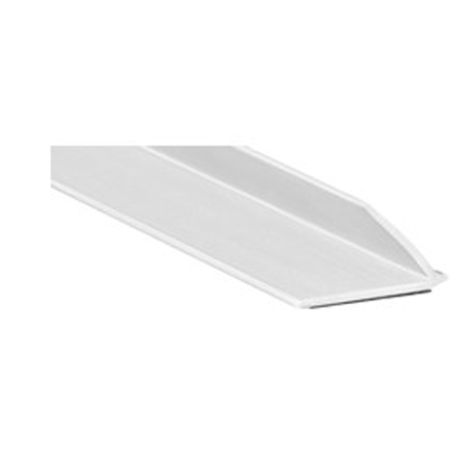
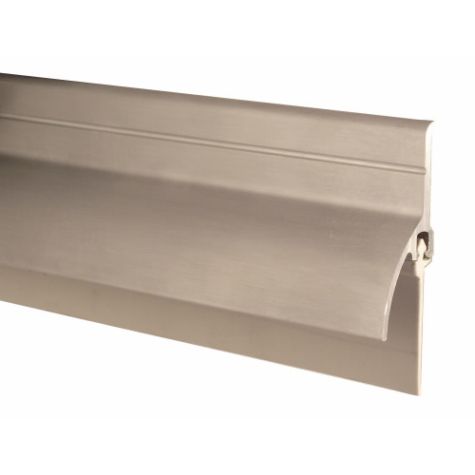
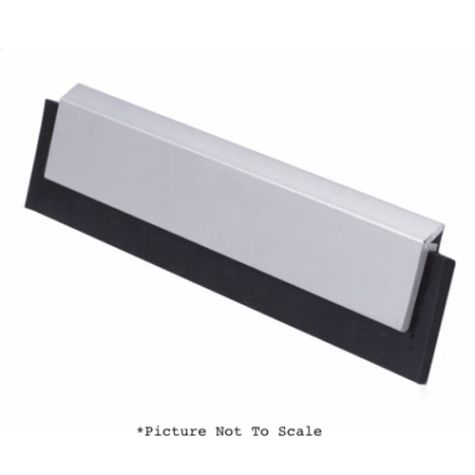
What Types of Commercial Door Weather Stripping Do We Offer?
These are some of the most common and reliable commercial door weatherstripping solutions we stock, designed to handle everything from exterior storefronts to interior office and corridor doors.
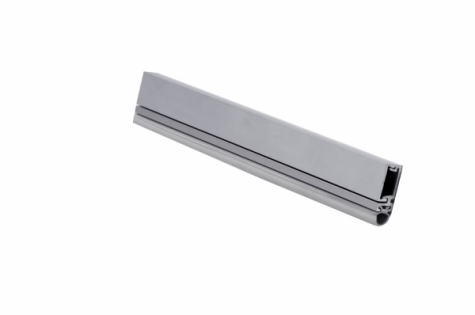
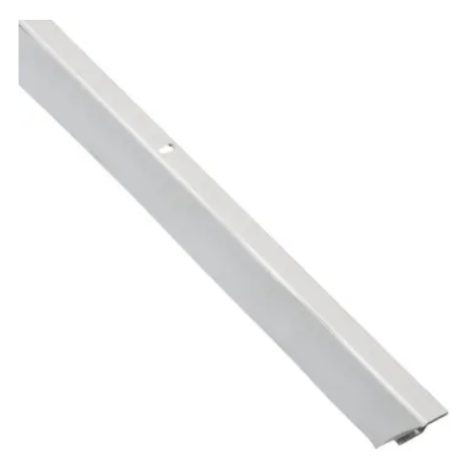
1. Perimeter Gasketing (Head and Jamb Seals)
-
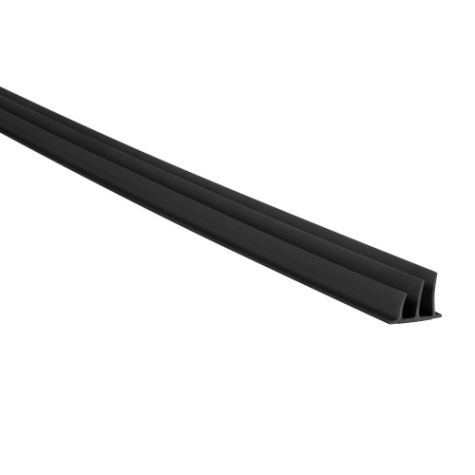
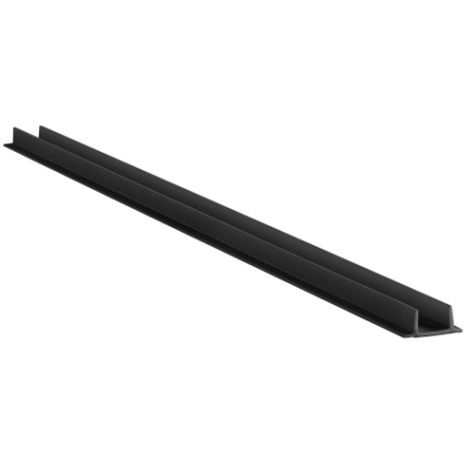
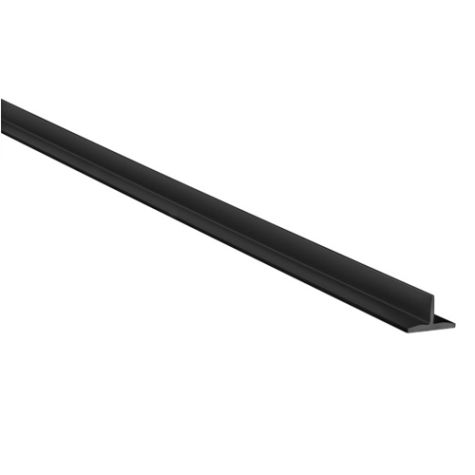
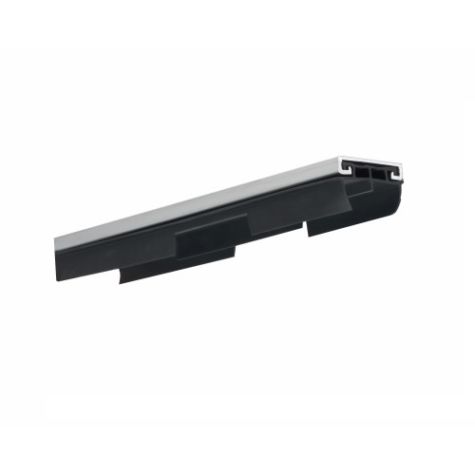
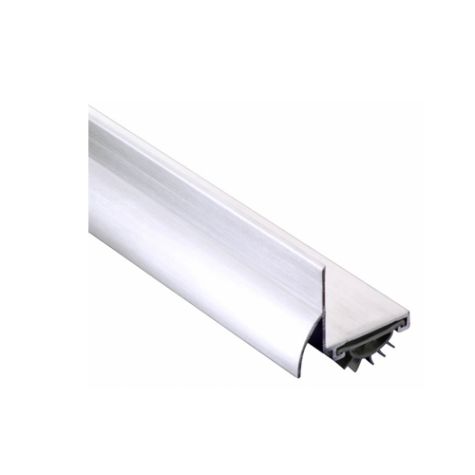
Flat, low-profile extrusions mount to the frame to seal the top and sides of the opening.
-
This is your go-to for flat weather stripping that cuts light, air, smoke, and sound transfer while keeping the door swing smooth.
-
Available in multiple insert materials and finishes to match frames and other hardware.
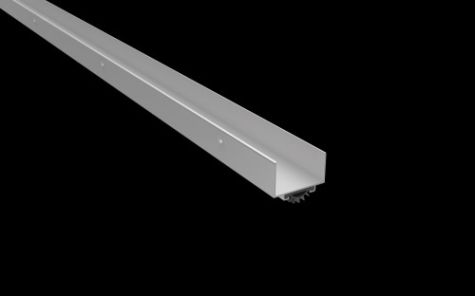
2. Automatic and Surface Door Bottoms
-
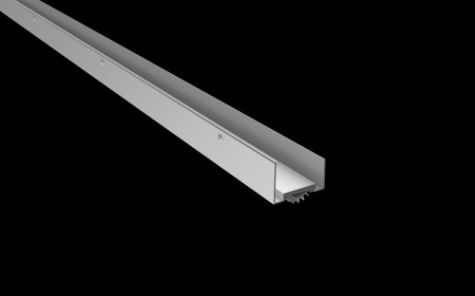
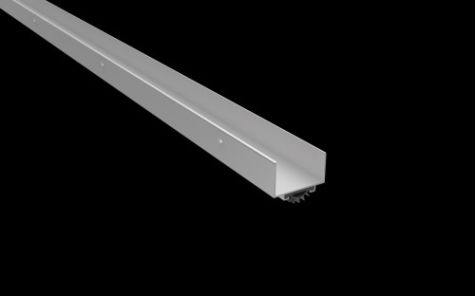
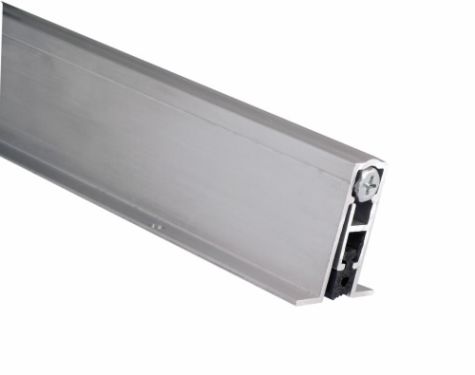
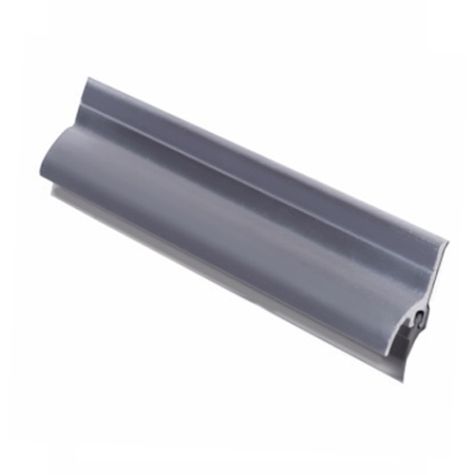
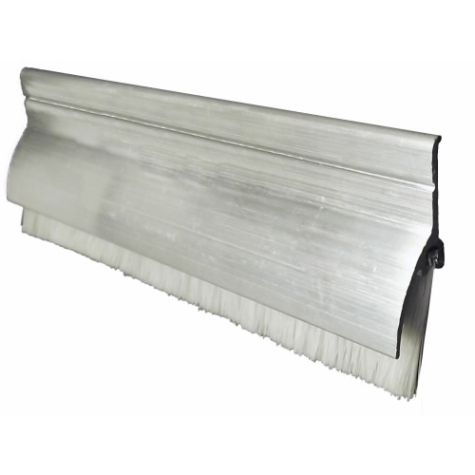
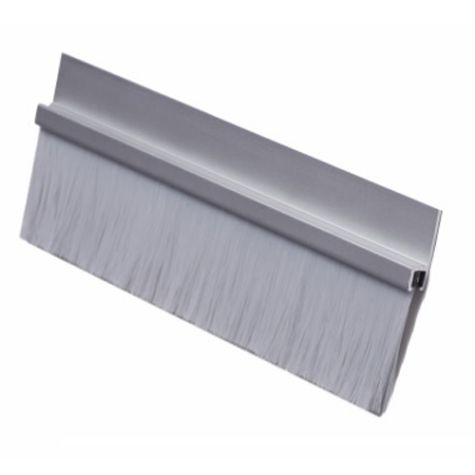
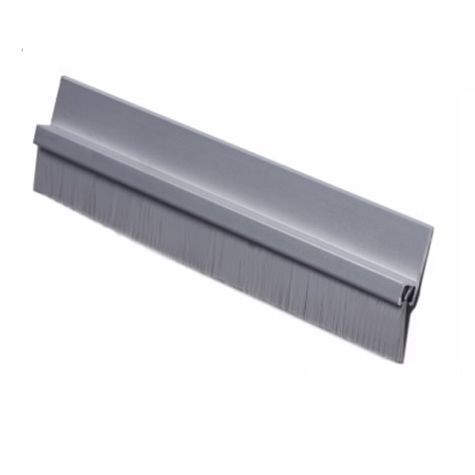
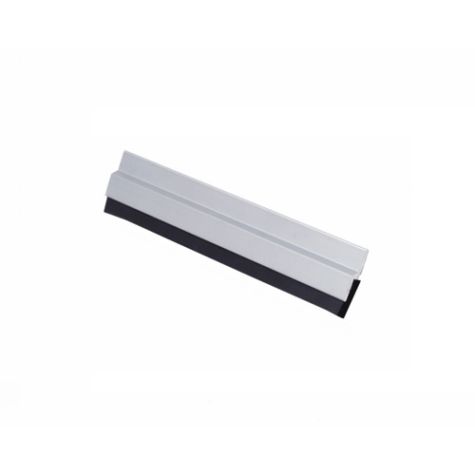
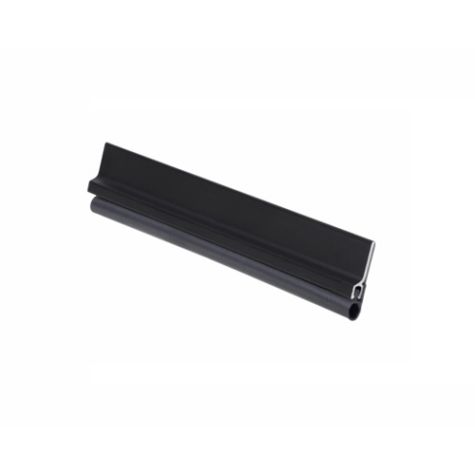
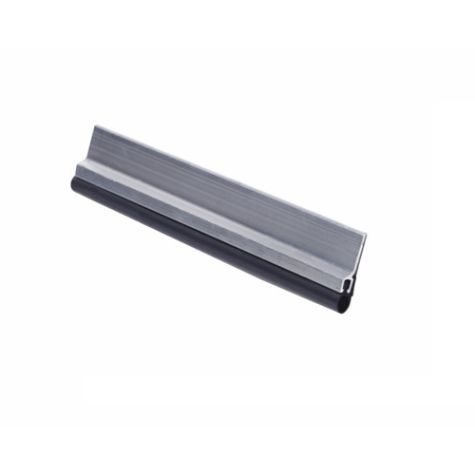
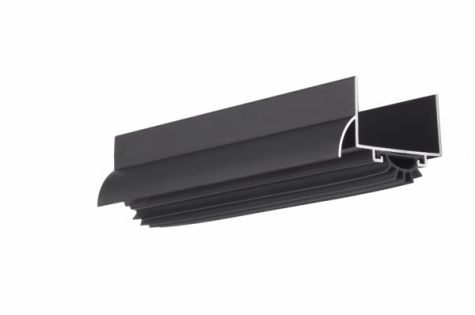
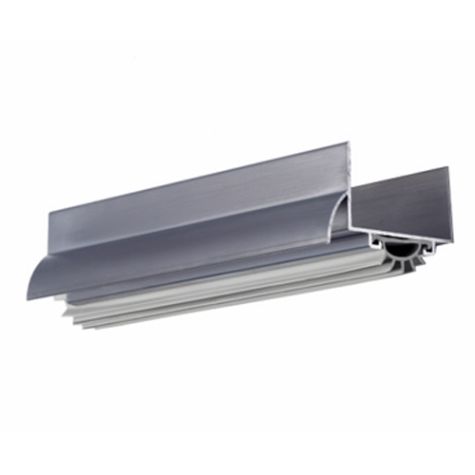
At the sill, choose from surface-mounted sweeps or automatic drop seals that engage only when the door closes.
-
These deliver reliable bottom door weatherstripping without creating drag when open.
-
Use automatic bottoms where ADA ease-of-use and acoustic control matter, and simple sweeps for durable everyday sealing.
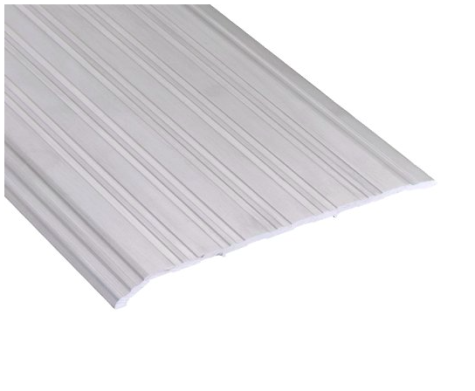
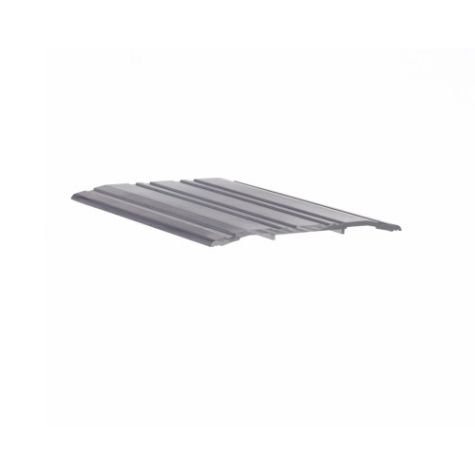
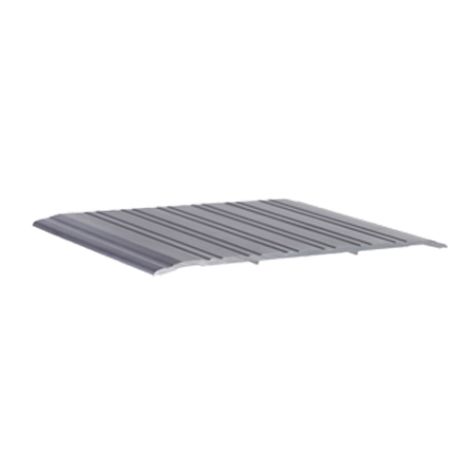
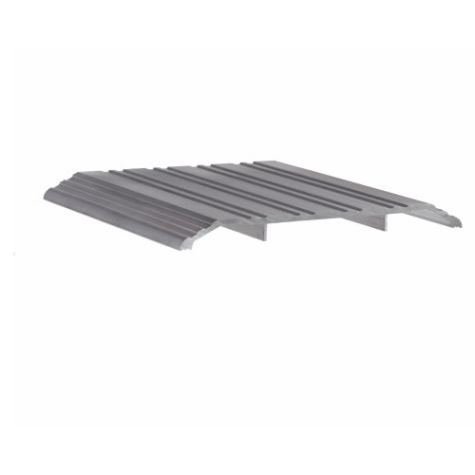
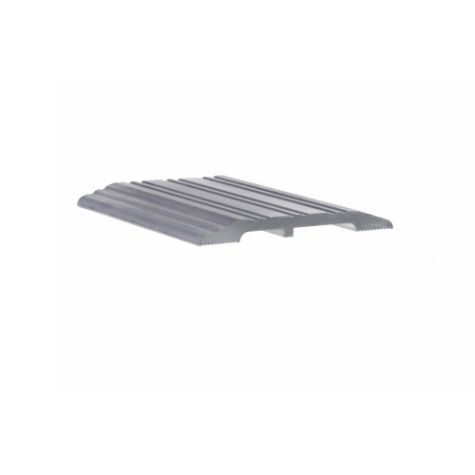
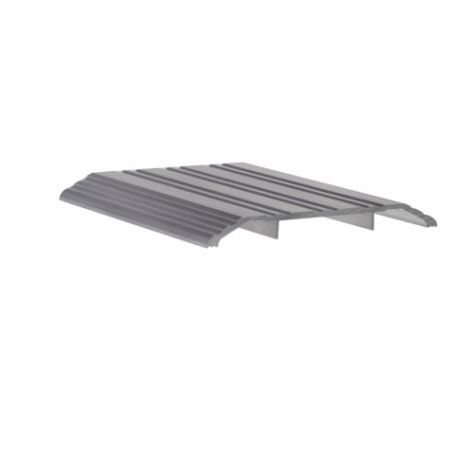
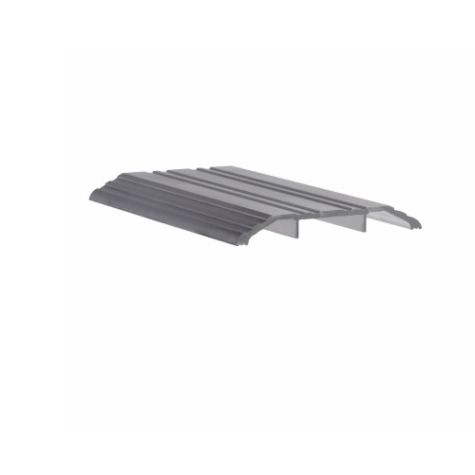
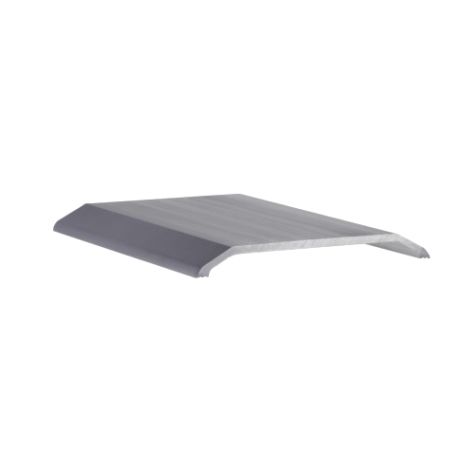
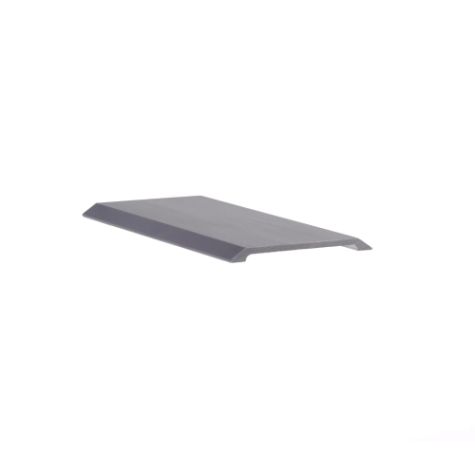
3. Thresholds and Offset Saddles
-
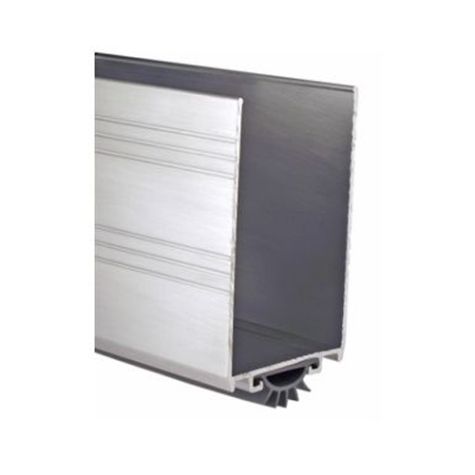
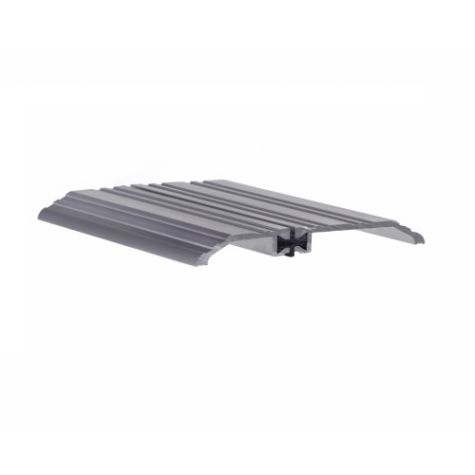
Thresholds bridge floor transitions and create a continuous seal with the door bottom.
-
Pairing a saddle with a sweep or drop seal is considered best-practice floor weather stripping.
-
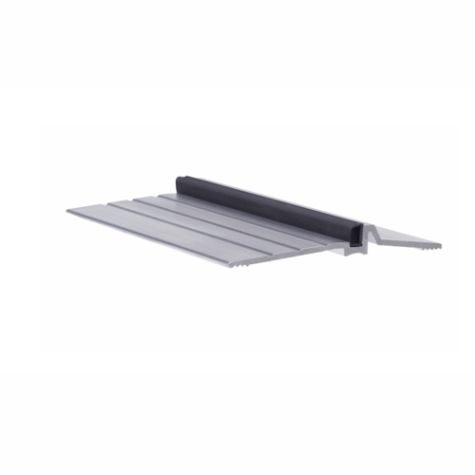
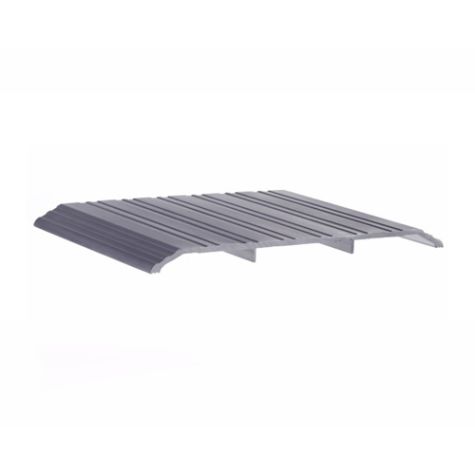
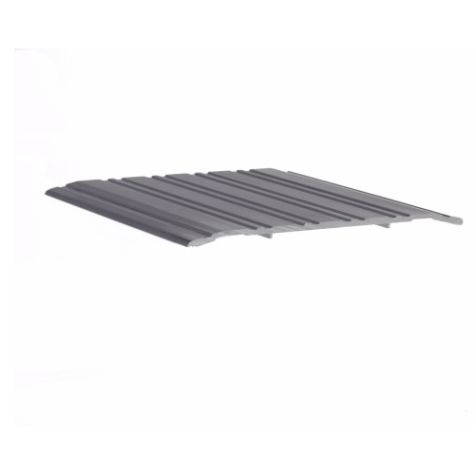
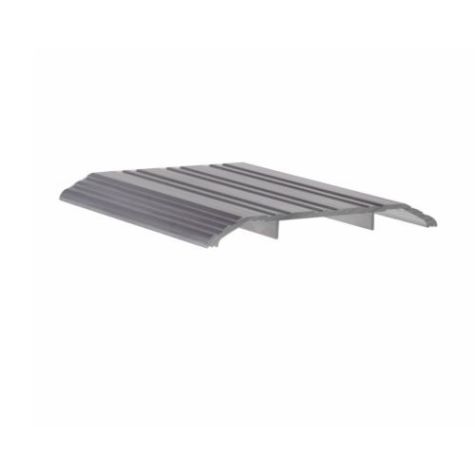
Aluminum saddles and offset profiles help manage uneven floors, rain exposure, and high traffic while protecting the undercut.
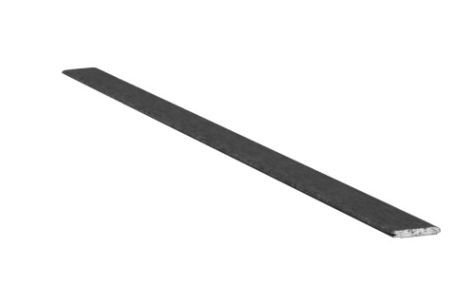
4. Door Stop Weatherstripping (Kerf-In and Surface)
-
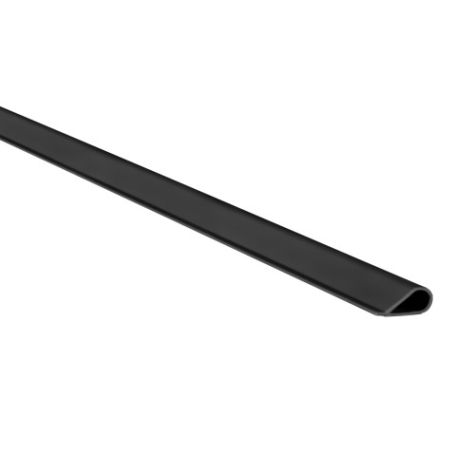
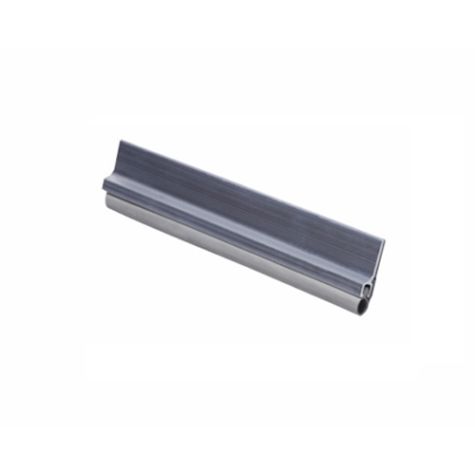
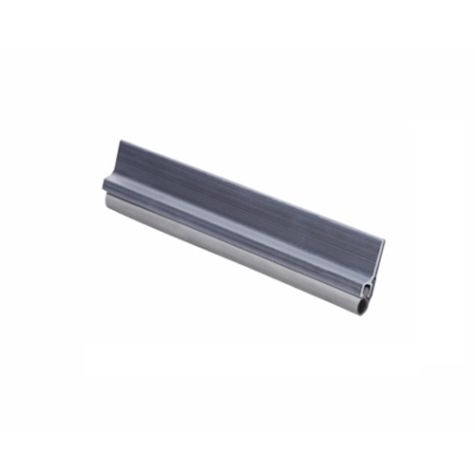
Many frames accept press-in, kerf-style blades that replace worn seals in minutes.
-
Where the frame has no kerf, surface-applied profiles deliver the same result.
-
Door stop weatherstripping is ideal for quick tune-ups and maintenance programs because it restores seal performance with minimal downtime.
5. Double-Door Pair Solutions
-
Pairs need coordinated components at the meeting edges and the sill.
-
Combine perimeter kits, compatible astragal/meeting-stile seals, a door bottom on each leaf, and a saddle threshold for consistent commercial door weatherstripping for double doors.
-
The result: fewer drafts, smoother closes, and better smoke and sound control.
6. Aluminum Holders and Finishes
-
Storefronts and exterior frames typically use clear, dark bronze, or mill finishes.
-
Our profiles include commercial aluminum door weather stripping and aluminum weather stripping options that blend with common aluminum systems while standing up to sun, cleaning chemicals, and constant use.
Below is a quick reference showing where each type is commonly used, the main benefit it provides, and which applications it works best for.
|
Type of Weather Stripping
|
Where It’s Used
|
Key Benefit
|
Best For
|
|
Perimeter Gasketing
|
Frame head & jambs
|
Blocks drafts, smoke, light
|
Offices, healthcare, schools
|
|
Automatic Door Bottoms
|
Door sill
|
Engages only when closed, ADA-friendly
|
High-traffic, ADA spaces, acoustic control
|
|
Sweeps (Surface Door Bottoms)
|
Door sill
|
Simple, durable everyday seal
|
Warehouses, kitchens, back doors
|
|
Thresholds & Saddles
|
Floor transitions
|
Protects undercut, seals against weather
|
Exterior entrances, storefronts
|
|
Door Stop Weatherstripping
|
Door stop or kerf
|
Quick retrofit, easy replacement
|
Maintenance programs, upgrades
|
|
Double-Door Kits
|
Meeting edges + bottoms + threshold
|
Complete system for pairs
|
Corridors, egress points
|
|
Aluminum Weather Stripping
|
Storefronts, glass/aluminum frames
|
Durable finishes, EPDM/vinyl inserts
|
Retail, commercial exteriors
|
How Do You Choose the Right Commercial Door Weather Stripping?
Selecting weatherstripping depends on where the door is located, what type of gaps you need to seal, and how the hardware interacts with frames, thresholds, and daily traffic.
1. Start With Door Location (Interior vs Exterior)
Exterior openings face weather, temperature swings, and wash-downs; specify rugged inserts and corrosion-resistant finishes for outside door weather stripping. Interior doors often prioritize smoke, privacy, and acoustics. Choose softer inserts or low-profile blades that close gently and seal reliably.
2. Decide What to Seal: Perimeter, Bottom, or Both
Most doors need a perimeter kit plus a sill solution. Use flat weather stripping at the head and jambs, then add bottom door weatherstripping (sweep or automatic drop seal). Where floor transitions or gaps exist, complete the assembly with threshold-based floor weather stripping.
3. Match the Frame and Stop
If the frame has a kerf, press-in blades install quickly and look factory-fit. If not, surface-applied door stop weatherstripping delivers the same performance with simple screws or adhesive. Always verify stop depth, reveal, and latch contact to avoid rub.
4. Select Holder Material and Finish
For storefronts, choose commercial aluminum door weather stripping in finishes that match the frame (clear or dark bronze anodized). In back-of-house or industrial areas, utilitarian aluminum weather stripping is the durable, economical choice.
5. Account for Double Doors
On pairs, think in systems: compatible perimeter seals, meeting-edge solutions, two door bottoms, and a threshold. That’s the recipe for dependable commercial door weatherstripping for double doors that still closes smoothly under closer control.
6. Plan Replacements Like a Pro
When scheduling commercial door weather stripping replacement, measure each leaf and frame, note insert type (bulb, blade, brush), and order full lengths with a small waste factor. Group doors by profile so your team installs quickly with uniform results.
Where Is Commercial Door Weather Stripping Used Most Often?
1. Storefronts and Exterior Entrances
-
Wind, rain, and thermal loss hit these doors hardest.
-
Pair perimeter kits with automatic bottoms and a saddle threshold for resilient outside door weather stripping that saves energy and keeps vestibules comfortable.
2. Healthcare, Education, and Public Buildings
-
Hallways, patient rooms, and classrooms benefit from quiet closings and better air control.
-
Low-profile flat weather stripping and correctly tuned door bottoms reduce sound and drafts without adding force to open.
3. Restaurants, Warehouses, and Back-of-House
-
Carts, mops, and frequent wipes demand durable profiles.
-
Use robust blades at the stop, threshold-based floor weather stripping, and tough sweeps at the sill for long service life with easy cleaning.
4. Office and Mixed-Use Interiors
5. Double-Door Corridors and Egress Points
-
Pairs require coordinated seals so both leaves latch smoothly.
-
A complete kit, perimeter, meeting-edge, two door bottoms, and threshold, delivers dependable commercial door weatherstripping for double doors that stands up to daily cycles.
Commercial Door Weather Stripping FAQs
What is the difference between flat weather stripping and door stop weatherstripping?
Flat profiles mount to the frame face and seal across the head and jambs. Door stop weatherstripping mounts at (or in) the stop, often kerf-in, to create consistent latch-side contact. Both close air and light gaps; choose based on frame design and installation preference.
How do I choose between a door sweep and an automatic door bottom?
A sweep is durable, economical bottom door weatherstripping that stays in contact with the floor or threshold. An automatic drop seal engages only when the door closes, ideal where ADA opening force, sound control, or uneven floors make constant contact undesirable.
What counts as floor weather stripping, and when do I need a threshold?
Floor weather stripping typically means a threshold or saddle that works with your door bottom to seal the undercut. Use a threshold when floors are uneven, when you need a higher water/air barrier, or when you want to protect the sill from wear.
How should I approach commercial door weatherstripping for double doors?
Treat the pair as a system: perimeter gaskets, compatible meeting-edge/astragal seals, a bottom seal on each leaf, and a saddle threshold. That combination creates reliable commercial door weatherstripping for double doors without adding drag or latch issues.
What does a commercial door weather stripping replacement involve?
Measure each side (and bottom) accurately, note insert type and finish, and order full lengths with a bit of overage. Replace like-for-like where possible, or upgrade to kerf-in or automatic bottoms for performance gains. Plan by profile so crews work faster with consistent results.
Do you carry aluminum weather stripping for storefront systems?
Yes, storefronts commonly use commercial aluminum door weather stripping with EPDM or vinyl inserts in clear or dark bronze finishes. These profiles match typical aluminum frames and withstand frequent cleaning, sun exposure, and heavy daily traffic.
Can you weather-strip the bottom of a door?
Yes, weather-stripping the bottom of a door is an effective way to prevent drafts, moisture, smoke, and pests. Door sweeps, door shoes, and bottom seals are specifically designed to close gaps and create a secure barrier, ensuring improved energy efficiency and protection.
What is the weatherstripping on the bottom of a door called?
The weatherstripping on the bottom of a door is typically referred to as a door sweep, door shoe, or bottom seal. These components help block air, water, and debris from entering under the door while maintaining a snug, secure fit.
What is the strip at the bottom of an exterior door called?
The strip at the bottom of an exterior door is commonly called a threshold gasket or door bottom seal. It creates a protective barrier against drafts and water infiltration while providing insulation for improved energy efficiency.
How do you seal the bottom gap of a door?
To seal the bottom gap of a door, install a door sweep, bottom seal, or threshold gasket. These solutions are easy to attach and can be adjusted to fit the gap snugly, ensuring optimal protection from air, water, and pests.


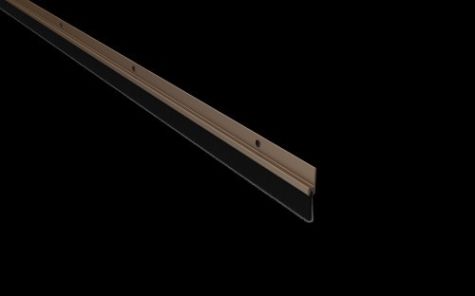
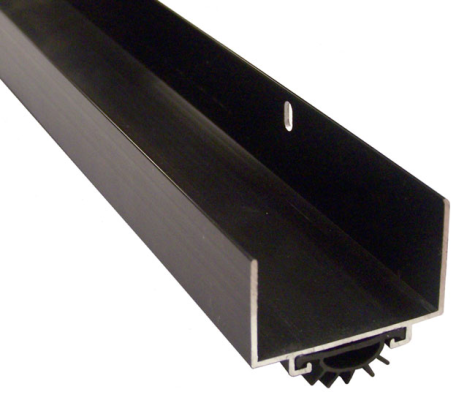 Pemko 217DV36 Door Shoe DS 1/2" x 1-3/4" x 36" Dark Bronze, Black Eco-V Quickview$24.41 Specialty Order - 2 Week Lead Time
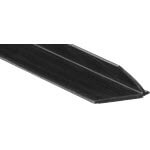 Pemko S44 Silicone Fin Smoke Gasket 5/16" x 7/16" Roll, 510 Feet, Black, with Self Adhesive - S44BL510 Quickview$535.37 Specialty Order - 2 Week Lead Time
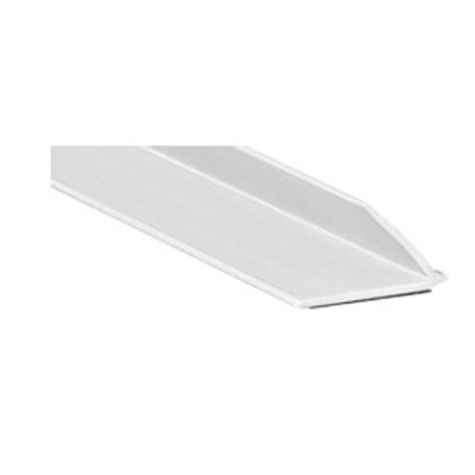 Pemko S44 Silicone Fin Smoke Gasket 5/16" x 7/16" Roll, 510 Feet, White, with Self Adhesive - S44W510 Quickview$504.50 Specialty Order - 2 Week Lead Time
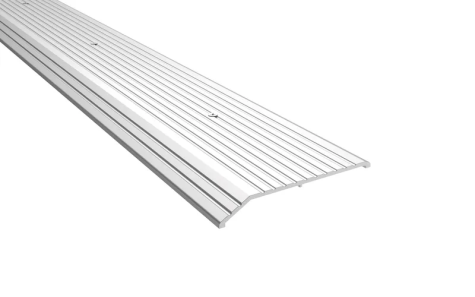 Pemko 157A Offset Saddle Threshold – 5 1/2″ × 3/4″ × 72″ Mill Aluminum - 157A72 Quickview$91.26 Specialty Order - 2 Week Lead Time
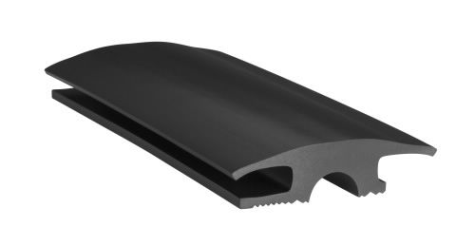 Pemko Eco-V Hospitality Threshold, Carpet to Tile, Black, 73in EV2325BL-73 Quickview$86.94 Specialty Order - 2 Week Lead Time
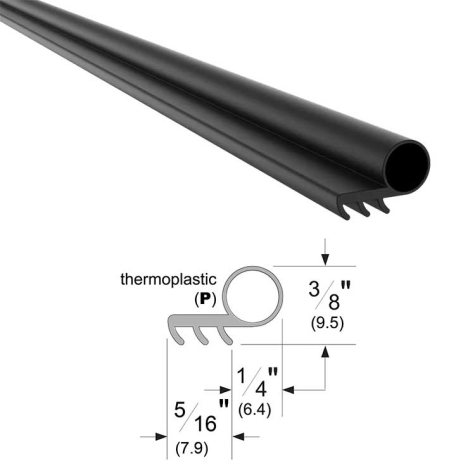 Pemko P50 Kerf-in Weatherstrip, Perimeter Gasketing Quickview$21.48 Specialty Order - 2 Week Lead Time
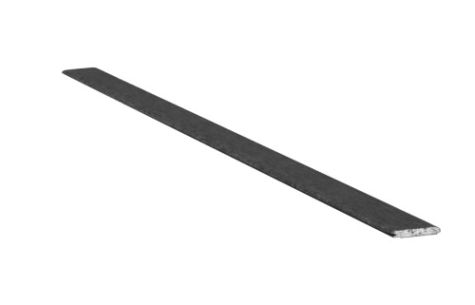 Pemko HSS2000-24 Charcoal Adhesive Gasket 3/64in. X 7/16in. 24ft. 7/16in. Quickview$31.28 Specialty Order - 2 Week Lead Time
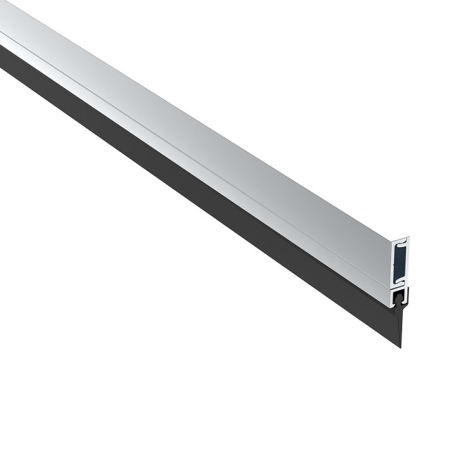 Pemko 29326CV36 Door Bottom Sweep with Eco-V Vinyl Insert (Concealed Fasteners) Quickview$17.71 Specialty Order - 2 Week Lead Time
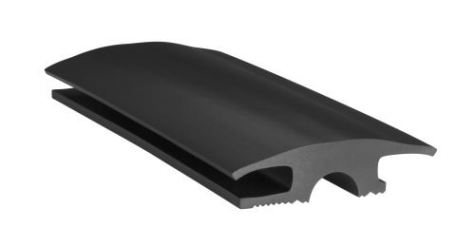 Pemko Eco-V Hospitality Threshold, Carpet to Tile, Black, 48in EV2325BL-48 Quickview$97.58 Specialty Order - 2 Week Lead Time